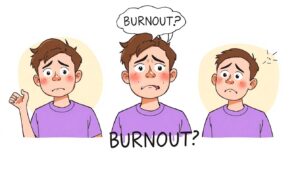
From Burnout to Balance: Case Studies That Offer Hope
Autistic burnout can feel endless. When you’re in it, it’s easy to believe you’ll never get your energy, focus, or joy back. But recovery is possible—and sometimes, the best way

Autistic burnout can feel endless. When you’re in it, it’s easy to believe you’ll never get your energy, focus, or joy back. But recovery is possible—and sometimes, the best way

If you’ve ever tried to track your mental health with a journal, an app, or a color-coded spreadsheet… and gave up in frustration, you’re not alone. For many autistic adults,

“Just be present.” “Clear your mind.” “Focus on your breath.” For many autistic adults, these popular mindfulness instructions don’t feel calming—they feel impossible. Traditional mindfulness practices are often designed for

Not all sensory tools are created equal. Some feel amazing—instantly calming, grounding, or energizing. Others? Too stimulating, ineffective, or just not made with autistic needs in mind. When you’re recovering

When someone you care about is experiencing autistic burnout, it can be difficult to know how to help. They may withdraw, lose energy for communication, or appear unmotivated. But behind

Autistic burnout can be isolating. During recovery, one of the most powerful resources you can access is community. But what kind of support works best—online or offline? The answer depends

Autistic burnout often feels like a life on pause—just surviving each day, energy gone, motivation buried, joy hard to reach. But what if recovery wasn’t just about survival, but also

Autistic burnout rarely happens overnight. It’s more like a slow erosion of energy, functioning, and emotional resilience—one that’s often ignored until it becomes overwhelming. Recognizing the early signs of burnout

Autistic burnout is complex—and no single professional has all the answers. That’s why a multidisciplinary approach can be so powerful. When neurologists, therapists, occupational specialists, and neurodivergent life coaches come