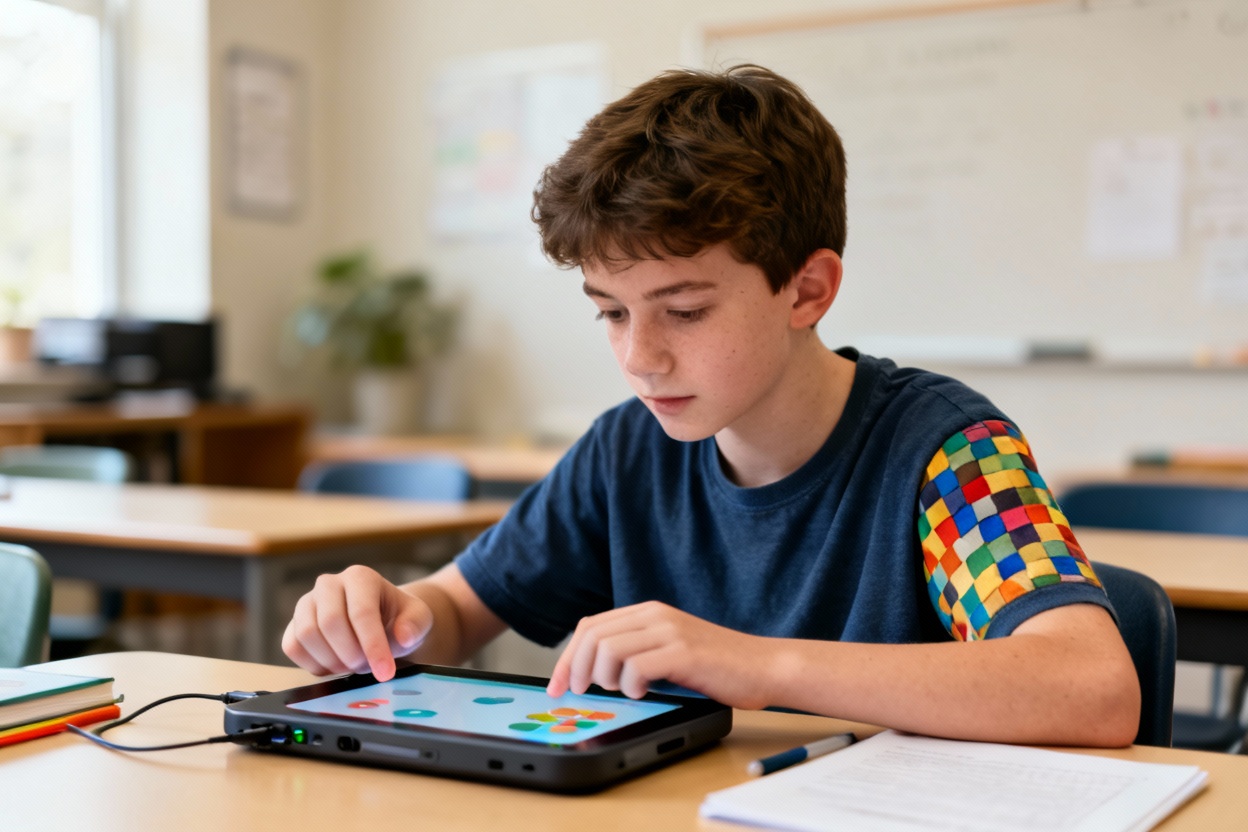
Technology has become an essential accessibility tool for autistic teens. When used intentionally, it can enhance communication, support learning, reduce anxiety, and increase independence. Rather than being a distraction, technology often serves as a bridge—helping autistic adolescents navigate a world not designed for their neurology.
This article explores how modern, autism-affirming technology supports communication, education, and daily functioning for autistic teens.
Why Technology Is So Effective for Autistic Teens
Many autistic adolescents process information visually and benefit from structured, predictable systems. Technology provides:
- Consistency and clarity
- Reduced social pressure
- Customizable interfaces
- On-demand support
These features make technology uniquely supportive for autistic learners.
Assistive Communication Tools and AAC
Augmentative and Alternative Communication (AAC) tools support teens who benefit from alternatives to spoken language.
Examples include:
- Text-based communication apps
- Symbol-supported communication tools
- Speech-generating devices
AAC does not replace speech—it expands communication options and reduces frustration.
Educational Software and Learning Platforms
Digital learning tools allow for individualized pacing and engagement.
Helpful features include:
- Visual explanations
- Interactive lessons
- Executive function supports like reminders and planners
- Self-paced modules
These tools reduce cognitive load and support academic success.
Sensory and Emotional Regulation Apps
Technology can support nervous system regulation.
Common tools include:
- Guided breathing apps
- White noise or calming soundscapes
- Focus and time-management tools
- Visual emotion tracking apps
Used proactively, these apps help prevent overload.
Virtual Reality and Social Skill Practice
Emerging technologies such as virtual reality (VR) offer safe environments for practicing social scenarios.
Benefits include:
- Low-pressure skill rehearsal
- Controlled sensory input
- Repeatable learning experiences
VR is not a replacement for real interaction, but a supportive stepping stone.
Supporting Independence Through Technology
Technology helps autistic teens build autonomy by supporting:
- Task sequencing
- Time awareness
- Self-monitoring
- Communication with teachers or employers
When teens control their tools, independence grows.
Balancing Screen Time Thoughtfully
Healthy technology use focuses on purpose rather than limits alone.
Support balanced use by:
- Encouraging intentional screen activities
- Scheduling regular breaks
- Monitoring sensory impact rather than total time
Quality of engagement matters more than quantity.
Choosing the Right Tools for Each Teen
Not every tool works for every individual. Involve teens in decision-making and allow experimentation. The best technology is the one that supports comfort, clarity, and confidence.
A Practical Resource for Families and Educators
For families seeking guidance on supporting independence, communication, and learning during adolescence, Navigating Teenage Years with Autism: A Guide to Independence and Self-Advocacy offers practical, real-world strategies.
👉 Available on Amazon
https://books2read.com/u/4XqZE5/
Final Thoughts
Technology is not about replacing human connection—it’s about removing barriers. When autistic teens have access to the right digital tools, they gain confidence, autonomy, and meaningful opportunities to communicate and learn in ways that work for them.