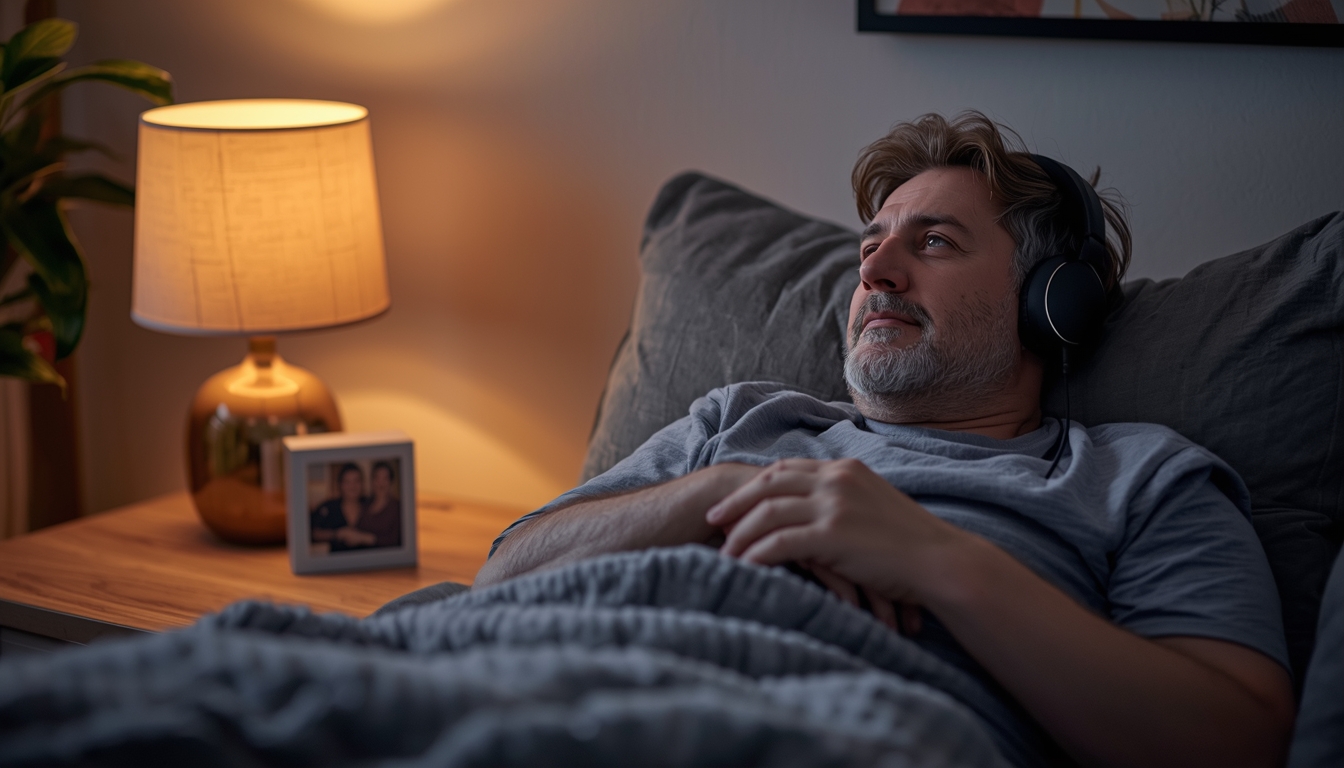
Sensory differences do not disappear in adulthood, and many autistic adults find that their sensory profile changes across time. A texture that once felt manageable may become unbearable. Background noise that was tolerated in earlier years may now be exhausting. Clothing, lighting, temperature shifts, crowded environments, and competing demands can all feel harder to process when energy is tighter and recovery is slower.
Your upcoming book describes this clearly in its chapter on senses, sleep, and the aging body: small shifts can quietly change how the world feels and how the body responds. That framing is useful because sensory change is not always dramatic. Sometimes it shows up first as irritability, fatigue, shutdown risk, or a sudden inability to cope with places that once felt merely inconvenient.
Why sensory tolerance can shift
There is not one single explanation, and people vary. Midlife often brings cumulative stress, poorer sleep, caregiving load, pain, hormonal changes, health conditions, and less bandwidth for constant adaptation. When recovery is reduced, sensory demands that once sat in the background may move into the foreground.
This does not necessarily mean sensitivity itself has “worsened” in a simple linear way. Sometimes the difference is that people are finally noticing what their body has always been compensating for. In other cases, age-related changes in sleep, pain, hearing, vision, or stress reactivity can make the sensory environment feel more intrusive.
What sensory change can look like
Common examples include lower tolerance for fluorescent or overly bright light, increased sensitivity to layered sound, more discomfort with scratchy or tight clothing, less patience for crowded shops, and stronger need for quiet after social or work demands. Some adults also report that multitasking becomes harder because combined sensory input overwhelms them faster.
That matters because sensory overload is not only uncomfortable. It can affect concentration, emotional regulation, and physical recovery. When the nervous system stays on alert, ordinary tasks take more energy.
Useful adaptations are often very ordinary
The good news is that sensory support does not have to be complicated. In Navigating Life as an Autistic Adult, Laura Mitchell emphasizes practical environmental changes such as dimmers, blackout curtains, calmer furniture layouts, soothing sound control, quiet spaces, and planning activities for quieter times. Those kinds of adjustments remain useful in midlife, and they often become more important rather than less.
Think in layers. Can you reduce the harshest light? Control one sound source? Change one fabric? Build one recovery window into the day? These small changes can significantly reduce total sensory load.
How to reassess your needs without shame
Many adults judge themselves harshly when tolerance changes. They assume they should be able to handle what they handled ten years ago. A better question is whether the current setup still fits your body. Sensory support is not indulgence. It is accessibility.
A practical way to reassess is to track overload patterns for one or two weeks. Note where overload happens, how long recovery takes, and what environmental details tend to be present. Often clear patterns emerge: one room, one time of day, one meeting format, one fabric, one type of public errand.
Talk about sensory needs before overload peaks
When possible, discuss adjustments early rather than after a crisis. At home, that may mean agreeing on quiet windows, softer lighting, or less abrupt schedule change. At work, it may mean asking for written agendas, headphones, remote days, or reduced exposure to high-traffic areas. Small proactive changes are easier than trying to recover from repeated overload.
If sensory changes are affecting nights as well as days, the next post to read is Autism, Sleep, and Midlife: Why Rest Gets Harder.
For the news on the current books and latest releases visit: Laura Mitchell on Amazon.
References
- National Autistic Society, adult diagnosis and masking resources.
- Laura Mitchell, Navigating Life as an Autistic Adult, sensory support chapters.
- Laura Mitchell, Aging & Autism: Thriving in Mid Life and Beyond, senses and aging chapter.