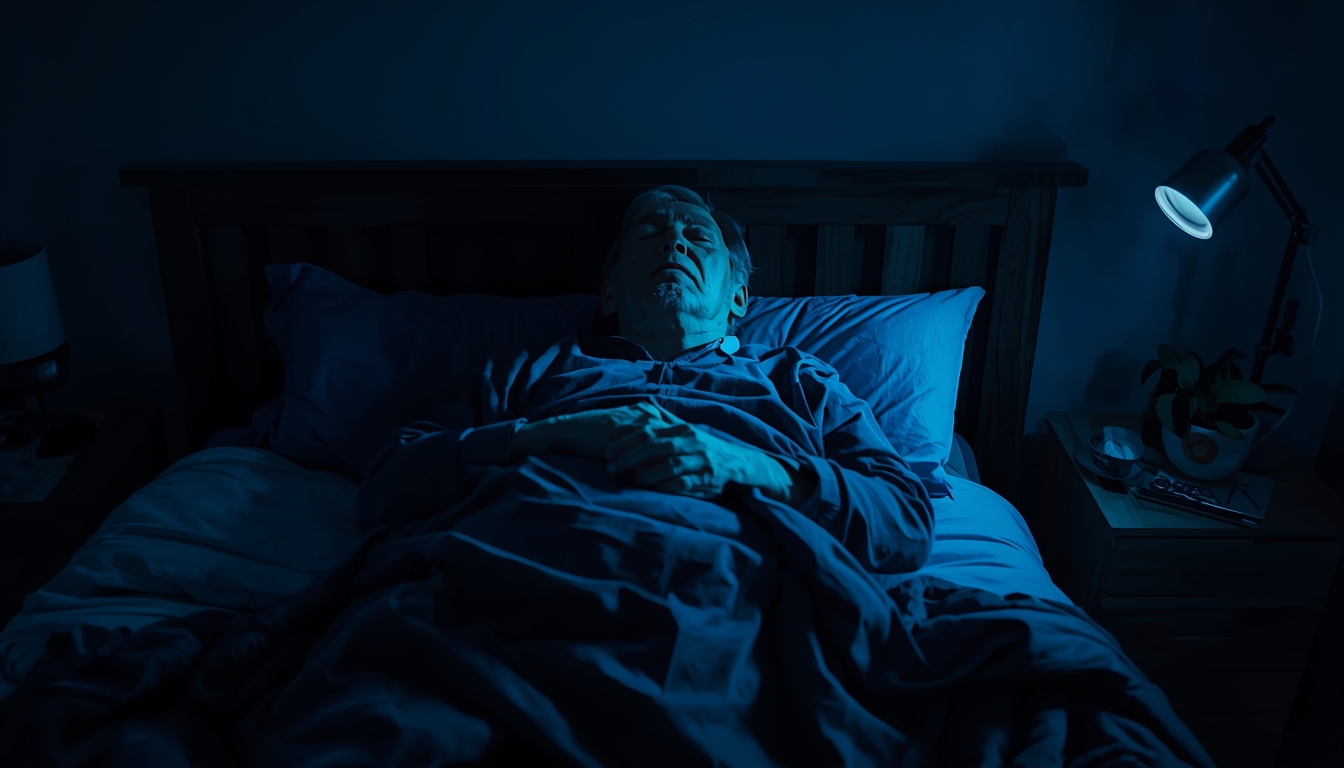
Sleep is not a side issue. It shapes concentration, stress tolerance, mood, recovery, and physical health. That matters for everyone, but it may matter especially for autistic adults, because research has consistently found higher rates of sleep problems in autistic people than in non-autistic comparison groups.
A 2021 study published in Autism Research found that autistic adults reported poorer sleep quality than non-autistic adults, and poorer sleep was associated with lower quality of life. A 2024 research review likewise noted that sleep problems are common in autism and can affect mood, cognition, and health. While much of the literature includes children, adult findings show that sleep concerns do not simply disappear with age.
Why midlife can make sleep feel more fragile
Midlife adds its own pressures: more responsibilities, changing health, increased stress, pain, hormonal transitions, and shifts in routine. For autistic adults, sleep may also be affected by sensory sensitivity, difficulty winding down after social effort, anxiety, irregular eating patterns, or the mental replay that can follow an overstimulating day.
In practical terms, many people do not struggle with just one problem. They are trying to fall asleep in a body that is still activated, in an environment that is too bright, too noisy, too hot, too scratchy, or too unpredictable. That is why generic sleep advice often feels incomplete. A good sleep plan must actually fit the autistic nervous system.
Patterns worth noticing
It helps to look for specific patterns rather than using the blanket phrase “bad sleep.” Is the main issue falling asleep, staying asleep, waking too early, unrefreshing sleep, irregular schedule, or next-day sleepiness? Do difficult nights follow noisy days, late social demands, conflict, travel, screen-heavy evenings, or skipped meals? Pattern recognition makes support more useful.
Autism-friendly sleep supports
Start with the environment. Reduce unnecessary light, sound, and tactile irritation. That could mean blackout curtains, eye masks, white noise or controlled sound, breathable bedding, softer clothing, and a cooler room. Then look at the transition into sleep. Many autistic adults benefit from a buffer between the last demand of the day and actual bedtime.
That buffer can be simple: dimming lights earlier, reducing conversational pressure, avoiding late problem-solving, taking a warm shower if that helps regulation, or using the same sequence each night so the body gets clearer cues. The point is not to build a perfect ritual. The point is to make bedtime less abrupt.
When sleep problems deserve medical attention
Persistent insomnia, snoring, restless sleep, breathing issues, severe daytime fatigue, or sudden changes in sleep quality deserve a conversation with a qualified clinician. Sleep problems can overlap with anxiety, depression, pain, medication effects, menopausal or perimenopausal changes, and other medical conditions. It is important not to assume everything is “just autism.”
That is one reason your new book’s whole-person perspective is helpful. It treats sleep as connected to the wider picture of midlife health rather than as an isolated inconvenience.
Do not underestimate recovery value
Many autistic adults have spent years treating sleep as optional because daily life already feels demanding. But sleep is not a reward for finishing everything. It is one of the conditions that makes coping more possible in the first place.
If sleep problems are overlapping with attention, anxiety, chronic pain, or other health issues, the next article to read is AuDHD, Anxiety, and Health Overlap in Midlife.
For the news on the current books and latest releases visit: Laura Mitchell on Amazon.
References
- McLean et al. (2021), “The Impact of Sleep Quality on Quality of Life for Autistic Adults.”
- Estes et al. (2024), “Sleep and Autism: Current Research, Clinical Assessment, and Treatment Strategies.”
- National Autistic Society resources on masking, stress, and adult autism.