
Supporting a Loved One Through Autistic Burnout
When someone you care about is experiencing autistic burnout, it can be difficult to know how to help. They may withdraw, lose energy for communication, or appear unmotivated. But behind


When someone you care about is experiencing autistic burnout, it can be difficult to know how to help. They may withdraw, lose energy for communication, or appear unmotivated. But behind
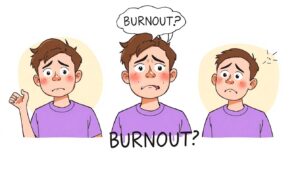
Autistic burnout can be isolating. During recovery, one of the most powerful resources you can access is community. But what kind of support works best—online or offline? The answer depends

Autistic burnout often feels like a life on pause—just surviving each day, energy gone, motivation buried, joy hard to reach. But what if recovery wasn’t just about survival, but also

Autistic burnout rarely happens overnight. It’s more like a slow erosion of energy, functioning, and emotional resilience—one that’s often ignored until it becomes overwhelming. Recognizing the early signs of burnout

Autistic burnout is complex—and no single professional has all the answers. That’s why a multidisciplinary approach can be so powerful. When neurologists, therapists, occupational specialists, and neurodivergent life coaches come
When autistic burnout hits, even basic tasks can feel overwhelming. But what if technology could lighten the load? From sensory-friendly apps to digital planners and QR code resources, the right

Self-care isn’t universal. While mainstream advice often assumes everyone has the same access, values, and needs, that simply isn’t true—especially for autistic adults navigating burnout within diverse cultural frameworks. Cultural

Self-care advice is everywhere these days—bubble baths, yoga, journaling, digital detoxes. But what happens when the typical advice doesn’t fit your neurotype? For autistic adults, conventional self-care strategies often miss
Burnout is often viewed as a private struggle—one we suffer through in silence. But hearing the recovery journeys of others can be incredibly validating, especially for autistic adults who may

Autistic burnout isn’t always caused by major life events. More often, it builds slowly—triggered by daily pressures, overstimulation, and emotional exhaustion that accumulate over time. These everyday stressors may seem