
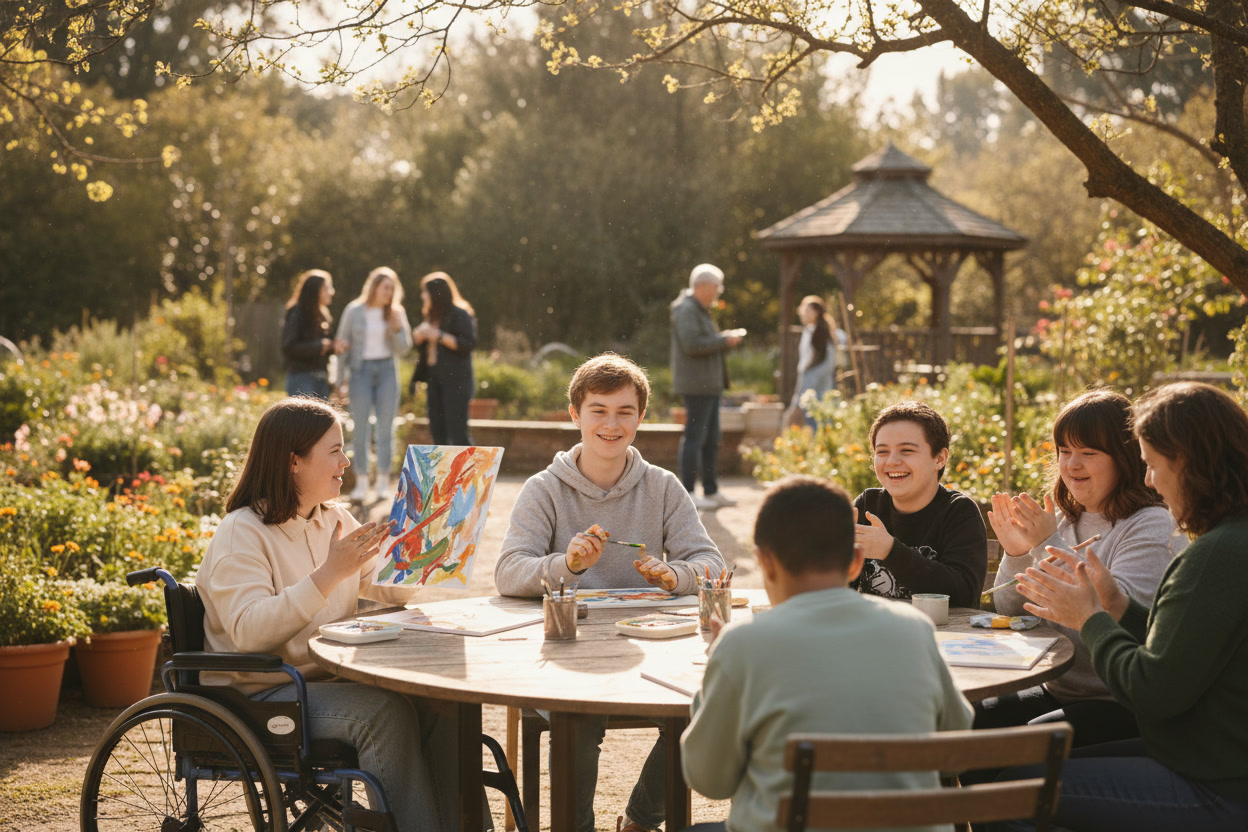
A sense of belonging is a fundamental human need—especially during adolescence. For autistic teens, finding welcoming, inclusive spaces can make a profound difference in confidence, mental health, and social development.
Community events and inclusive activities offer autistic adolescents opportunities to connect with others in low-pressure, supportive environments where differences are respected rather than challenged. When inclusion is intentional, participation becomes empowering instead of overwhelming.
Why Community Connection Matters for Autistic Teens
Autistic adolescents often experience isolation due to:
- Social differences
- Sensory challenges
- Limited access to inclusive programs
- Fear of judgment or misunderstanding
Inclusive community spaces counter isolation by fostering acceptance, shared experience, and peer understanding.
What Makes an Activity Truly Autism-Inclusive
Not all “inclusive” events meet autistic needs. Effective inclusion considers:
- Sensory accommodations (lighting, sound, space)
- Clear schedules and expectations
- Flexible participation options
- Trained staff or facilitators
When these elements are present, teens feel safer engaging at their own pace.
Types of Community Activities That Support Engagement
Autistic teens often thrive in structured, interest-based environments such as:
- Hobby clubs and interest groups
- Creative workshops (art, music, writing)
- STEM or gaming groups
- Adaptive sports or movement programs
These settings reduce social pressure while encouraging connection through shared interests.
The Role of Peer Support and Shared Experience
Peer connection is powerful—especially when teens feel understood.
Benefits include:
- Reduced social anxiety
- Increased self-confidence
- Validation of autistic identity
Some teens find community through in-person events, while others prefer moderated online spaces. Both can provide meaningful connection.
Preparing Teens for Community Participation
Preparation reduces anxiety and increases success.
Helpful strategies include:
- Reviewing schedules or photos of the event in advance
- Discussing sensory expectations
- Creating clear exit strategies
- Setting realistic participation goals
Preparation empowers teens to engage with confidence.
Long-Term Benefits of Inclusive Community Involvement
Consistent participation in inclusive spaces supports:
- Social skill development
- Emotional resilience
- Identity formation
- A stronger sense of belonging
These experiences often extend into adulthood, shaping long-term well-being.
Supporting Choice and Autonomy
Not every teen will enjoy group activities—and that’s okay. Inclusion means respecting preferences and allowing teens to choose how and when they participate.
True belonging never requires masking or conformity.
A Practical Resource for Families Supporting Social Inclusion
For families seeking guidance on independence, self-advocacy, and social confidence during adolescence, Navigating Teenage Years with Autism: A Guide to Independence and Self-Advocacy offers practical strategies rooted in real-life experience.
👉 Available on Amazon
https://www.amazon.com/Navigating-Teenage-Years-Independence-Self-Advocacy/dp/B0G6XBJ4B2/
Final Thoughts
Community connection can be transformative for autistic teens when inclusion is intentional and respectful. By creating spaces where teens feel safe being themselves, we foster confidence, empathy, and lifelong belonging.
