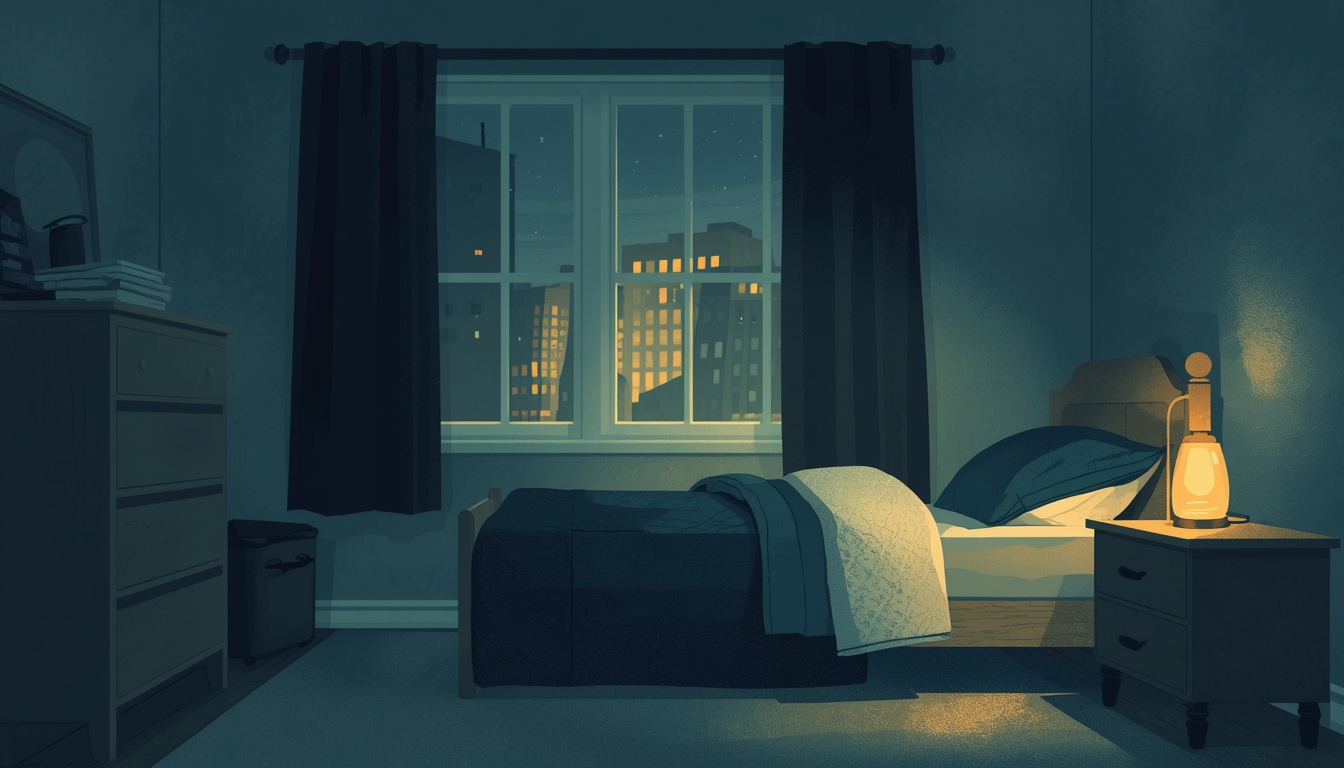
The bedroom that gets pinned a thousand times on design boards — the bean bag fort, the custom swing, the four-figure sensory tent — is not how most families actually fix a child’s bedtime struggles. The real changes tend to be cheaper, less photogenic, and far more effective than anything you’ll find in a glossy roundup.
Start with light, because it’s nearly free to fix
Overhead lighting is often the single biggest sensory mismatch in a bedroom, and it’s also the cheapest thing to change. A harsh ceiling bulb throwing flat white light across the whole room can be swapped for a warm-toned bulb (look for 2700K on the packaging) for a few euros. Adding a simple plug-in lamp with a soft shade gives a child control over how much light exists in their space, rather than an all-or-nothing switch.
Blackout curtains matter more than people expect, and the cheap clip-on or tension-rod versions work nearly as well as custom-fitted ones. Streetlight glow at 2am is a surprisingly common, surprisingly fixable cause of broken sleep.
Sound doesn’t need expensive equipment
A box fan running on low, a free white-noise app on an old phone, or even a wrapped clock with a quiet tick can mask the unpredictable sounds that disrupt sleep — a creaking pipe, a neighbour’s television, a sibling moving around the house. The goal isn’t silence. Constant, predictable background sound is often more soothing than total quiet, because it removes the anxiety of waiting for the next sudden noise.
Foam door draft stoppers, the kind sold for keeping out cold air, double as cheap sound dampeners along the bottom of a door. A secondhand rug absorbs far more echo than a bare floor and costs a fraction of acoustic panelling.
Texture is personal, and testing beats guessing
Bedding is where families spend the most money for the least certainty, because sensory preferences around texture are intensely individual. Before buying anything new, raid what’s already in the house. Some children love the weight of a heavy quilt; others want the lightest sheet possible and nothing on top. Some need tags cut out of everything; others don’t care. Buy nothing expensive until you know, through trial, what your child actually tolerates — a single new pillowcase from a budget shop is a cheap way to test a texture theory before committing to a full bedding set.
A weighted blanket can genuinely help with settling, but a cheap version made by sewing rice or poly pellets into pockets of an old duvet cover works almost identically to a £100 retail one, and costs under a tenth of the price.
Reduce visual clutter before adding anything
A room crammed with toys, posters, and decorations looks fun in photographs and can be genuinely overstimulating to live in. Storage bins with lids — even mismatched secondhand ones — do more for a calm bedroom than any single sensory product. Closing visual chaos away, rather than trying to out-decorate it, is usually the fastest, cheapest fix in the whole room.
One small, clearly defined low-stimulus corner — a single soft chair, a folded blanket, nothing else nearby — gives a retreat option without redesigning the entire space. It doesn’t need a tent or a canopy to work. It needs to be consistently available and consistently quiet.
What to skip
Specialty “sensory” branding on a product often means a higher price tag for something a regular hardware or homeware store sells for less. A plain foam roller from a sports shop, a £5 set of earplugs, a clip lamp from a discount store — none of it needs to say “sensory” on the box to work exactly the same way.
For more on the sleep side of this picture specifically, our piece on visual schedules for younger children covers the bedtime-routine half of the equation that often matters as much as the room itself. And if eating or mealtime sensory needs are part of your household too, our guide to sensory-based food selectivity follows similar low-cost, trial-based thinking.
Laura Mitchell’s book Understanding Your Autistic Child, currently in production, devotes a full chapter to building sensory-friendly spaces at home. Her existing title Embracing Self-Care for Autistic Burnout applies many of these same low-budget environmental principles to adult bedrooms and rest spaces.