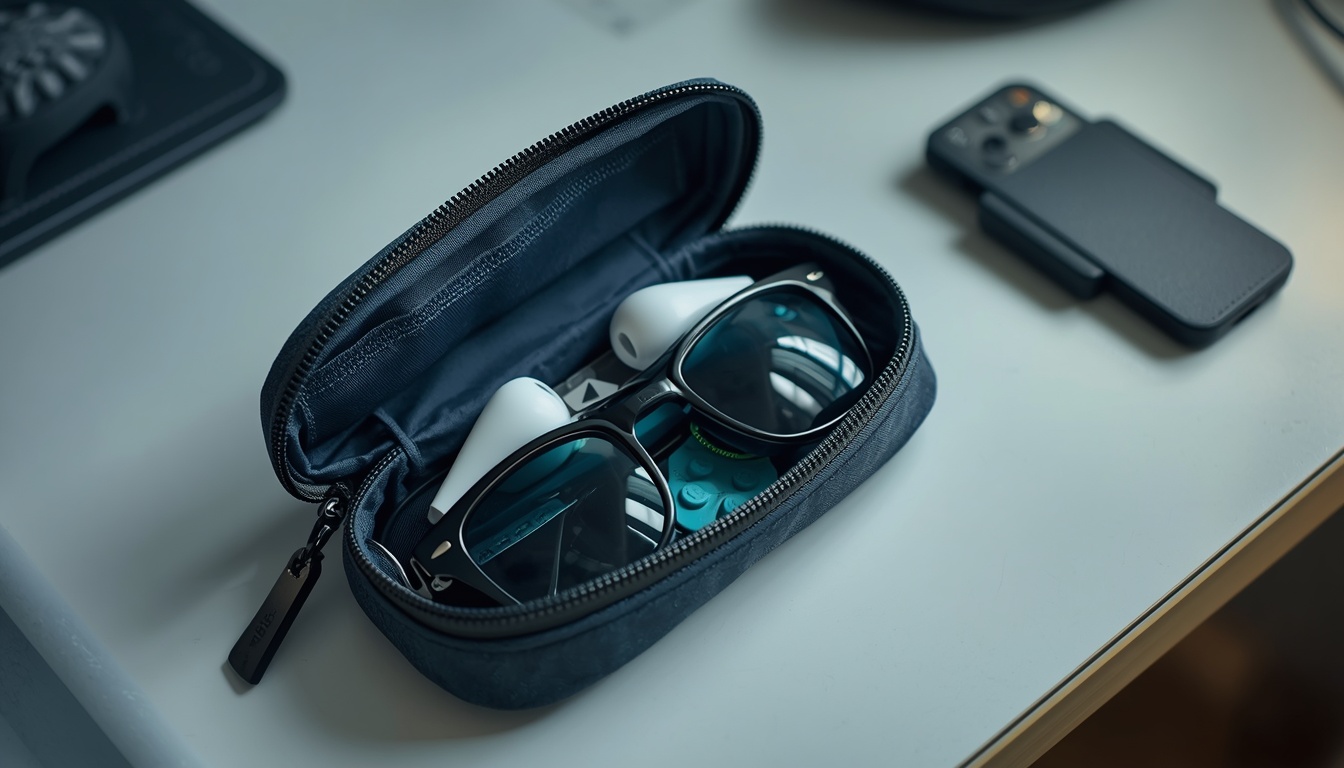
Before a non-autistic colleague has even finished their first coffee, an autistic coworker may have already calculated which route to the office avoids the construction noise on Main Street, decided which seat in the meeting room is furthest from the flickering light fixture, mentally rehearsed how to politely decline the team lunch at the loud new restaurant, and packed earplugs as a quiet backup plan — all before the actual workday has technically started. None of this shows up on a to-do list. All of it costs real cognitive energy.
This labour is genuinely invisible to people who don’t carry it
One of the more isolating aspects of constant sensory planning is precisely how unnoticeable it is to anyone who doesn’t need to do it themselves. A non-autistic colleague walks into the same meeting room without a second thought about the lighting, sits in whatever seat is available, agrees readily to the loud lunch spot, and genuinely doesn’t register any of the decisions an autistic colleague just spent real mental effort working through. There’s no visible evidence of the planning, which means there’s also rarely any acknowledgment that it happened, let alone credit for the energy it consumed.
It compounds across a day in a way that’s easy to underestimate from outside
A single sensory accommodation decision — choosing a quiet seat, avoiding one particular hallway — looks minor in isolation. Multiply that by dozens of similar small calculations across a single day: grocery shopping timed around quieter hours, clothing checked for tag irritation before leaving the house, route planning around predictable noise sources, anticipating and pre-planning escape options at social events. None of these individually look exhausting from outside. Together, repeated daily, they represent a genuine and substantial drain on the same limited cognitive resources used for everything else in a day — work, parenting, decision-making, emotional regulation.
This is a real, legitimate contributor to autistic burnout
When people discuss autistic burnout, sensory overload itself often gets the most attention as a cause, but the constant background planning required to avoid sensory overload in the first place deserves equal attention as a separate, ongoing drain. A day with relatively little overt sensory overload can still be genuinely exhausting if it required extensive proactive planning to achieve that lower-overload outcome — the planning itself is the cost, even when it successfully prevents the worse outcome it was designed to avoid.
Naming it out loud changes how it gets understood by others
Because this labour is invisible by nature, it tends to go unacknowledged unless an autistic person explicitly names it to the people around them. “I’ve already spent real energy today just figuring out how to navigate the sensory environment, before we even got to the actual task” is a sentence worth saying directly to a partner, family member, or understanding colleague, rather than assuming the effort will be noticed or credited on its own.
Reducing the planning load is a legitimate accommodation goal
This invisible labour is also a useful, concrete framework for thinking about workplace and home accommodations — the goal isn’t just reducing sensory overload itself, but reducing the amount of advance planning required to avoid it. A workplace that proactively offers a quiet space option, rather than requiring an employee to discover and negotiate one independently, removes planning labour as well as overload risk. A family that defaults to checking in about sensory preferences before finalizing plans removes planning labour from the autistic family member who would otherwise have to raise concerns reactively, after plans are already set.
It’s worth budgeting for, not feeling guilty about
Recognizing this as a genuine, ongoing cost — rather than something to feel inefficient or high-maintenance about — tends to support healthier pacing across a day or week. Building in recovery time specifically to account for this invisible planning effort, the same way you might budget time for any other real task, tends to work better than treating the resulting fatigue as a mysterious, unexplained drain with no clear cause.
For more on how this invisible effort connects to broader burnout patterns, see our piece on why money decisions get harder during autistic burnout, which covers a related, often-overlooked cognitive cost. And for practical strategies around the executive function side of daily planning, our existing piece on AuDHD and overlapping executive function challenges covers closely related ground.
Laura Mitchell’s book Embracing Self-Care for Autistic Burnout covers sensory processing demands and their cumulative cost in detail across a dedicated chapter on enhancing sensory processing.